- Xbox CEO Asha Sharma aims to transform Xbox into a global entertainment platform targeting over 1 billion daily active users, diverging from traditional console manufacturing.
- Microsoft is planning a significant overhaul for Game Pass, shifting to an à la carte model that allows players to customize their subscription with standalone add-ons.
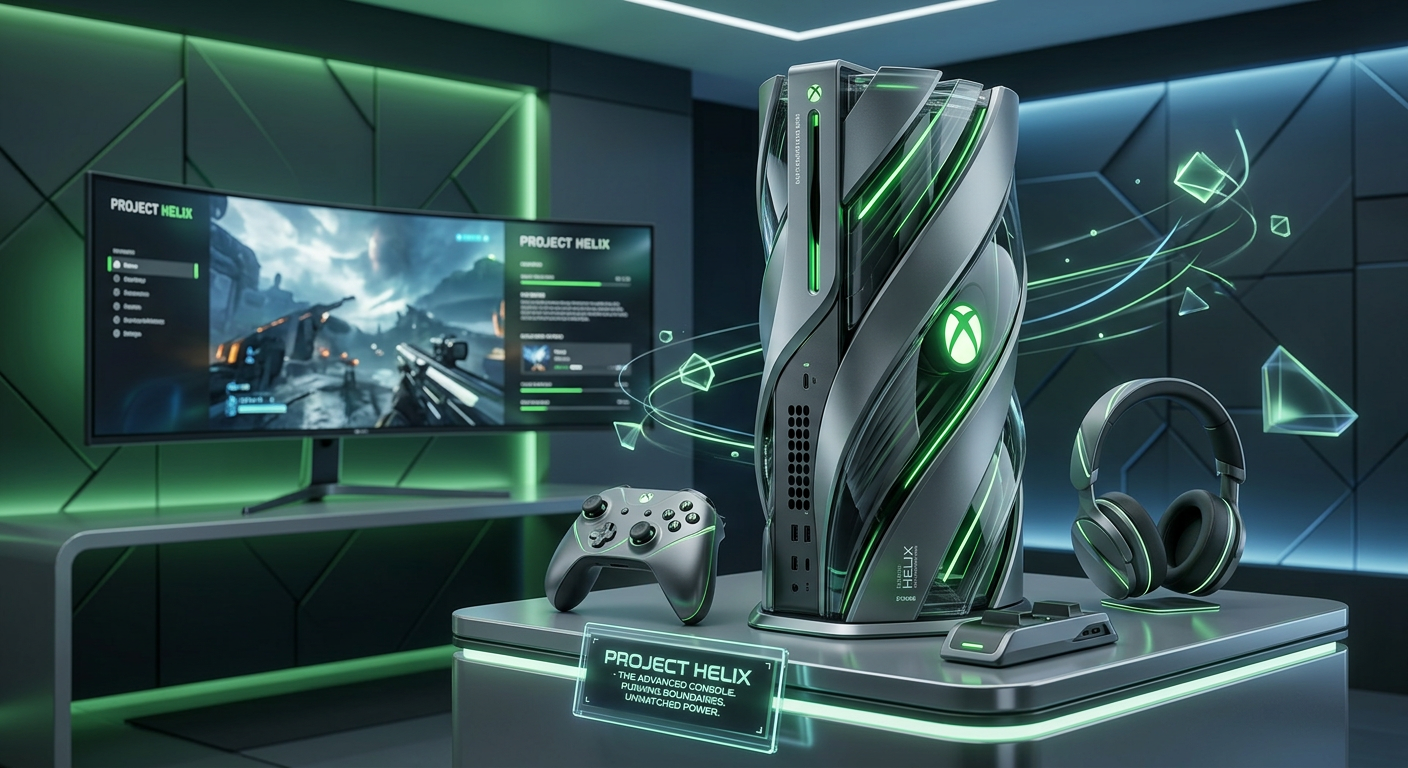
- Xbox's hardware strategy includes a high-end Project Helix console in 2028 and a dedicated handheld device in 2027, with both devices featuring a gaming-first operating system.
- Sharma is redefining game development and exclusives at Xbox, focusing on commercial viability and expanding key franchises across non-gaming media to compete globally.
In a landmark interview with Fortune, Xbox CEO Asha Sharma laid out her vision for the future of Microsoft’s gaming division. Facing stiff competition and shifting industry habits, Sharma is moving quickly, taking a radically different - and far more financially disciplined - approach than her predecessors.
From hardware timelines and pricing to a fundamental redesign of Game Pass, here is everything we learned about the future of Xbox.
What is the long-term goal for Xbox?
Sharma has set an ambitious target: growing Xbox into an entertainment platform that reaches over 1 billion people daily - a massive leap from its current ~100 million daily active users.
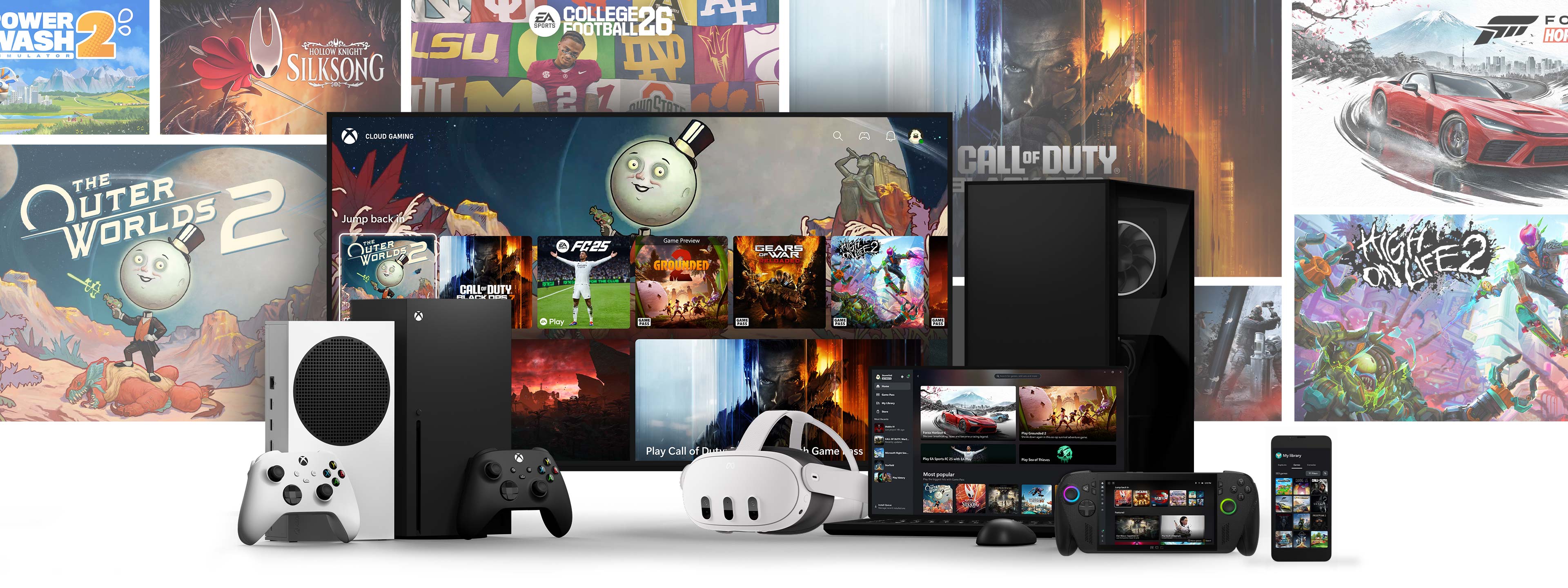
To achieve this, Xbox isn't treating itself as just a traditional console manufacturer anymore. As Sharma put it: “We’re not here to do the minimum viable thing to just have a good business. We’re here to be the No. 1 entertainment company.”
What is changing for Game Pass?
While Game Pass revolutionized sub-based gaming, flat-rate growth has hit a wall. Following recent price adjustments and tier shifts, Microsoft is preparing an à la carte structural overhaul.
What does "à la carte" actually mean?
Instead of forcing players into one fixed, high-priced bundle (like Game Pass Ultimate), Xbox plans to let you mix and match only the features you want.
Under a modular, tiered structure, you will be able to buy standalone "add-ons" - for example:
- Subscribing only to Cloud Gaming if you play on a phone or TV.
- Paying only for Online Multiplayer access if you don't need the game library.
- Unlocking only the Console Game Library without paying for PC or Cloud extras.
This modular approach allows Microsoft to lower the entry price for casual players while creating custom packages for power users.
What are Xbox’s hardware plans?
Microsoft's next-generation hardware plans have officially split into a two-phase rollout:
- Holiday 2027: A dedicated Xbox Next-Gen Handheld device.
- Holiday 2028: The next flagship home console, codenamed Project Helix.
The Hardware Cost Reality
These devices won't come cheap. Internal projections currently estimate the Project Helix console will cost between $1,200 and $1,800. While Microsoft could subsidize the hardware to lower store prices, doing so would mean absorbing hundreds of dollars in losses per unit sold - a tough sell under Sharma's strict financial guardrails.
This steep pricing aligns with broader industry trends. As Ampere Analysis gaming analyst Piers Harding-Rolls points out, the global console market has remained stagnant at roughly 200 million users per generation. Younger demographics (Gen Z and Gen Alpha) are largely skipping traditional home consoles in favor of mobile devices, PCs, and platforms like Roblox.
Because the traditional home console market isn't growing, Xbox is building high-end, premium hardware (Project Helix) for enthusiasts, while using the 2027 Handheld to capture on-the-go and mobile-first players.
What is the future of the operating system?
Inside Microsoft’s hardware prototyping lab (Building 87), Sharma and lead designer Carl Ledbetter have been developing these prototypes alongside potential strategic partners. But building a handheld caused a massive internal rift between Xbox and the main Windows team.
Windows executives originally tried to force the handheld to run a scaled-down version of Windows Home. Xbox leadership fiercely resisted, arguing that a bloated PC desktop OS would ruin performance and battery life. Tensions escalated until a senior Xbox executive threatened to cancel the handheld project entirely unless Xbox was granted full control over the software. Xbox ultimately won the battle, ensuring the upcoming handheld will feature a dedicated, gaming-first operating system.
What about games, exclusives, and studio budgets?
With games like Gears of War: E-Day, Xbox is re-emphasizing platform exclusives, but the way games get greenlit has permanently changed:
- End of Blank-Check Budgets: In the past, internal studios enjoyed wide creative freedom with flexible timelines. Under Sharma, developers - including Brian Fargo working on Clockwork Revolution - must present a strict, commercial "investable business case" proving a game can turn a profit before receiving funding.
- Focus on Flagship Blockbusters: Capital is being redirected toward core franchises (Halo, Gears of War, Minecraft) to ensure a steady cadence of major releases.
Expanding Franchises Like Disney
To maximize these core IPs, Sharma created a dedicated commercial division designed to expand Xbox brands across non-gaming media - much like Disney does with Marvel. For example, Minecraft is receiving aggressive investments in transmedia, merchandise, and social platforms to directly compete with Roblox.
Sharma is also fostering high-profile global partnerships - such as bringing legendary creator Hideo Kojima on board for his upcoming stealth game Physint - all while reinforcing Xbox's new internal mandate, now plastered across studio walls:
“Great games; return of Xbox; future of play.”
This article was written by a human and fact-checked and edited by Gemini 3.6 Flash.
Editorial Standard: Drafted with AI assistance, thoroughly reviewed and published under GoodGamePass editorial supervision.